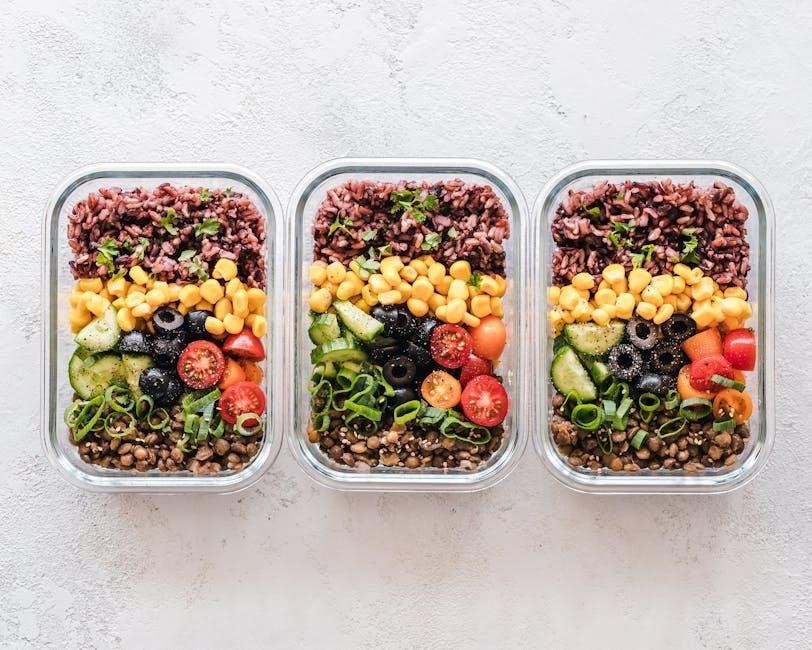
The pursuit of a sculpted physique drives models to adopt highly disciplined eating strategies, often documented in detailed plans and guides.
These regimens, like the three-week model diet, prioritize lean protein, strategic macronutrient ratios, and consistent hydration for optimal results.
Popular approaches range from OMAD, as practiced by Conrad Bromfield, to convenient meal delivery services such as Sakara Life favored by Lily Aldridge.
The Demand for a Model Physique
The modeling industry relentlessly prioritizes a specific aesthetic – lean, toned, and visually striking. This creates immense pressure on individuals to maintain a physique that meets exacting standards, fueling the demand for effective diet plans. Models like Conrad Bromfield exemplify this dedication, utilizing strategies like the One Meal a Day (OMAD) diet to achieve and sustain their appearance.
The constant travel and unpredictable schedules inherent in the profession necessitate adaptable and efficient nutritional approaches. Supermodels, including Lily Aldridge, often turn to services like Sakara Life for convenient, pre-portioned meals. The “Three Week Model Diet Plan” further illustrates the industry’s focus on rapid transformation, offering structured guidance for achieving desired results quickly.
Ultimately, the demand for a model physique isn’t merely about aesthetics; it’s about professional survival.
Understanding the Core Principles
Model diet plans aren’t simply about restriction; they’re built upon a foundation of strategic macronutrient manipulation and mindful eating. Achieving a lean physique requires a precise balance of protein, carbohydrates, and healthy fats, tailored to individual metabolic needs and activity levels. Conrad Bromfield’s OMAD approach highlights the principle of calorie control, concentrating intake into a single, nutrient-dense meal.
Sakara Life embodies the principle of whole-food nutrition, emphasizing plant-based ingredients and eliminating processed foods. The “Three Week Model Diet Plan” likely incorporates principles of portion control and meal timing to maximize fat loss and muscle definition.
Hydration is also paramount, supporting metabolic function and overall health.

Popular Diet Approaches Among Models
Models frequently utilize diverse dietary strategies, including One Meal a Day (OMAD), meal delivery services like Sakara Life, and structured three-week plans.
These methods aim to optimize body composition through controlled calorie intake and nutrient timing, as seen with Conrad Bromfield and Lily Aldridge.
The One Meal a Day (OMAD) Diet ー Conrad Bromfield’s Approach
Conrad Bromfield, a prominent male model, gained recognition for his dedication to the One Meal a Day (OMAD) diet, a highly restrictive eating pattern.
This approach, adopted amidst a demanding travel schedule and constant work demands, centers around consuming all daily calories within a single meal.
Bromfield’s strategy prioritizes maintaining a lean physique and readily available abs for immediate photoshoots or appearances, requiring consistent discipline.
While effective for his profession, the OMAD diet is a challenging regimen, demanding careful attention to nutrient density and potential drawbacks.
It’s a testament to the extreme measures some models take to meet industry standards and maintain peak physical condition.
Sakara Life Meal Delivery Service ⸺ Lily Aldridge & Others
Sakara Life, a popular meal delivery service, has garnered a devoted following among supermodels like Lily Aldridge, Erin Heatherton, and Chrissy Teigen.
The service distinguishes itself by providing fully prepared, plant-based meals designed for optimal nutrition and wellness, eliminating the complexities of meal planning.
Aldridge’s positive experience even inspired a limited-edition curated Sakara plan, showcasing the brand’s appeal within the modeling community.
Models appreciate Sakara Life’s convenience, allowing them to maintain strict diets while navigating busy schedules and frequent travel commitments.
It represents a streamlined approach to healthy eating, favored by those prioritizing both physique and overall well-being.
The Three-Week Model Diet Plan
The “Three-Week Model Diet Plan,” available as a Kindle eBook, draws inspiration from the dietary habits of Victoria’s Secret models, athletes, and Olympians.
This plan promises rapid weight loss through a meticulously structured meal regimen, offering a variety of options for breakfast, lunch, dinner, and snacks.
It emphasizes comprehensive research into successful diets, aiming to provide a scientifically-backed approach to achieving a model physique.
The plan also includes celebrity-standard meal ideas and resources for discovering additional recipes, promoting long-term adherence.
It’s designed for individuals seeking a fast-track method to transform their diet and body composition.
Key Nutritional Components
Model diets center around precise macronutrient ratios, prioritizing protein for muscle retention and definition, alongside healthy fats and complex carbohydrates.
Strategic nutrition fuels intense workouts and supports rapid recovery, essential for maintaining a lean and sculpted physique.
Macronutrient Ratios for Lean Muscle
Achieving a model physique demands a carefully calibrated macronutrient intake, differing slightly based on individual metabolism and activity levels. Generally, a common ratio leans towards higher protein consumption – typically 40-50% of daily calories – to support muscle preservation and growth during periods of caloric restriction.
Carbohydrates, primarily from complex sources, usually comprise 30-40%, providing sustained energy for workouts and daily functions. Healthy fats, essential for hormonal balance and overall health, make up the remaining 10-30%.

This balance optimizes body composition, promoting fat loss while safeguarding lean muscle mass, crucial for the defined aesthetic sought by models.
The Importance of Protein Intake
Protein is undeniably the cornerstone of any model’s diet plan, playing a pivotal role in preserving and building lean muscle mass during calorie-controlled regimens. Adequate protein intake – often exceeding recommendations for the general population – is crucial to prevent muscle loss while shedding body fat.
Models typically aim for 1.2 to 1.5 grams of protein per pound of body weight daily, sourced from lean meats, fish, eggs, and plant-based alternatives.
This high protein consumption also boosts satiety, aiding in adherence to the diet and minimizing cravings.
Healthy Fats and Their Role
Despite the emphasis on leanness, healthy fats are integral to a model’s diet, supporting hormonal balance, nutrient absorption, and overall well-being. These fats aren’t about bulk; they’re about function, contributing to radiant skin and healthy hair – essential for professional demands.
Sources like avocados, nuts, seeds, olive oil, and fatty fish provide essential fatty acids, crucial for maintaining optimal body composition.
Strategic fat intake also enhances satiety, preventing energy crashes and supporting sustained energy levels throughout demanding schedules.
Complex Carbohydrates vs. Simple Sugars
Models prioritize complex carbohydrates over simple sugars to maintain stable energy levels and prevent unwanted fat storage. Complex carbs, found in vegetables, whole grains, and legumes, provide sustained release, fueling workouts and daily activities without causing energy spikes and crashes.
Simple sugars, prevalent in processed foods and sugary drinks, offer a fleeting energy boost followed by a rapid decline, hindering performance and promoting cravings.
This strategic carbohydrate selection supports lean muscle mass and a consistently refined physique.
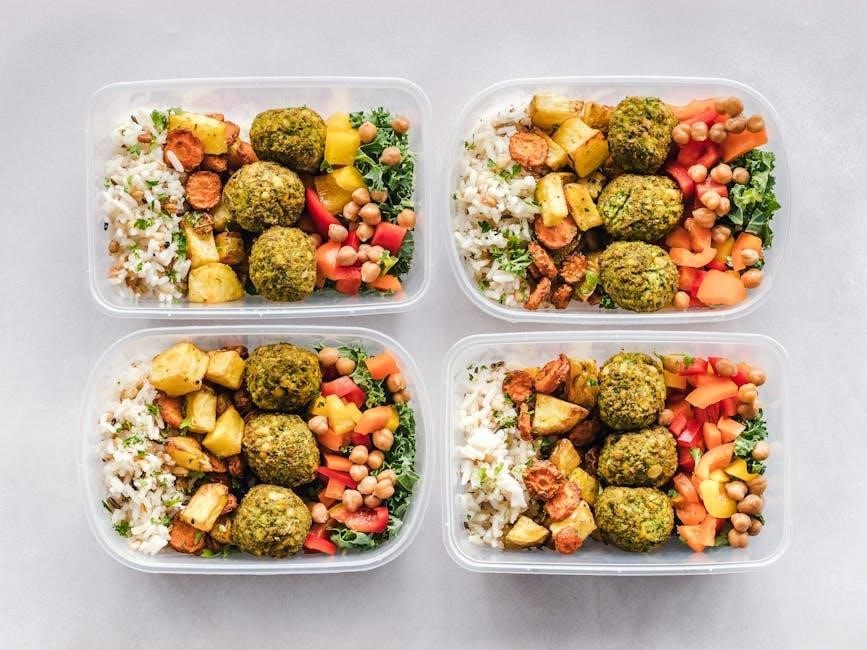
Sample Meal Plans
Models often consume protein-rich breakfasts, balanced lunches for sustained energy, and dinners focused on muscle recovery, alongside strategic snack choices.
These plans, inspired by celebrity diets like Lily Aldridge’s Sakara Life regimen, emphasize nutrient density and portion control.
Breakfast Options for Models
Model breakfast choices prioritize lean protein and sustained energy, avoiding sugar crashes that can impact performance and physique.
Sakara Life, a popular meal delivery service among models like Lily Aldridge, offers options like plant-based protein bowls and energy-boosting smoothies.
Other common choices include egg white omelets with spinach and avocado, Greek yogurt with berries and a sprinkle of nuts, or overnight oats with protein powder.
These breakfasts are designed to kickstart metabolism, support muscle recovery, and provide essential nutrients without excessive calories.
Hydration is also key, often with a glass of water with lemon to aid digestion and boost energy levels.
Lunch Ideas for Sustained Energy
Model lunch plans focus on providing sustained energy throughout the afternoon, crucial for demanding schedules and maintaining focus.
Sakara Life’s curated plans, favored by models, frequently include vibrant salads with lean protein sources like grilled chicken or fish.
Alternatively, a quinoa bowl with roasted vegetables and a light vinaigrette offers complex carbohydrates and essential nutrients.
Lean protein, such as turkey breast or salmon, paired with a side of steamed greens, is another popular choice.
Portion control is vital, ensuring a satisfying yet calorie-conscious meal to support a lean physique.
Dinner Recipes for Muscle Recovery
Model dinner strategies prioritize muscle recovery and repair, essential after intense workouts and long days.
Lean protein is paramount; grilled fish like salmon, rich in omega-3 fatty acids, is a frequent choice.
Chicken breast, baked or stir-fried with minimal oil, provides a substantial protein boost without excess fat.
Pairing protein with complex carbohydrates, such as sweet potato or brown rice, replenishes glycogen stores.
Steamed or roasted vegetables complete the meal, delivering vital vitamins and minerals for optimal recovery and overall health.
Snack Choices to Curb Cravings
Models often rely on strategic snacking to manage hunger and prevent overeating during meals, maintaining consistent energy levels.
A handful of almonds or walnuts provides healthy fats and protein, promoting satiety and curbing cravings effectively.
Greek yogurt, particularly plain varieties, offers a protein-rich option that can be paired with berries for added sweetness.
Sliced vegetables, like cucumber or carrots, with hummus provide fiber and nutrients, offering a satisfying and low-calorie snack.
Small portions are key; mindful snacking prevents derailing the overall diet plan and supports consistent progress.

Hydration and Supplementation
Adequate water intake is crucial for maintaining skin health and optimizing metabolic function, vital for a model’s physique.
Essential vitamins and minerals, alongside strategic supplementation, support overall well-being and enhance diet effectiveness.
The Role of Water in Maintaining Physique
Water is absolutely fundamental to achieving and sustaining the lean, defined look demanded in the modeling industry. Beyond basic hydration, sufficient water intake directly impacts skin elasticity, contributing to a healthy, radiant complexion crucial for photoshoots and runway appearances.
It also plays a vital role in metabolic processes, aiding in efficient nutrient absorption and waste removal, which supports fat loss and muscle recovery. Dehydration can lead to decreased energy levels, hindering workout performance and potentially causing muscle cramps.
Models often prioritize consistent water consumption throughout the day, sometimes incorporating electrolytes to maintain optimal fluid balance, especially during travel or intense physical activity.
Essential Vitamins and Minerals
A model’s diet isn’t solely about macronutrient restriction; it demands a strategic intake of essential vitamins and minerals to support overall health and performance. Key nutrients include Vitamin D for bone health and immune function, crucial given demanding travel schedules.
Iron is vital to combat fatigue and maintain energy levels, while Zinc supports skin health and wound healing. Electrolytes like potassium and magnesium are often replenished, especially with rigorous exercise.
Models may utilize supplements to address potential deficiencies, ensuring optimal bodily functions and maintaining a vibrant appearance, complementing their carefully curated diet plans.
Common Supplements Used by Models
Beyond a structured diet, many models incorporate supplements to enhance their physique and well-being. Protein powders, particularly whey or plant-based varieties, aid muscle recovery and growth, essential with intense training regimens.
Creatine is sometimes used to boost strength and power, while BCAAs (Branched-Chain Amino Acids) support muscle protein synthesis. Multivitamins ensure adequate micronutrient intake, addressing potential deficiencies from restricted diets.
Omega-3 fatty acids promote skin health and reduce inflammation, and some models explore supplements for digestive health, optimizing nutrient absorption and overall vitality.
Fitness Integration
A model’s diet is inseparable from a rigorous fitness routine, combining cardiovascular exercise for fat loss with strength training for muscle definition.
Prioritizing rest and recovery is crucial, allowing muscles to rebuild and preventing overtraining, ensuring peak physical condition and sustained performance.
Cardiovascular Exercise for Fat Loss
Cardiovascular exercise plays a pivotal role in achieving and maintaining the lean physique demanded in the modeling industry. Models frequently incorporate a variety of cardio activities, including running, swimming, and high-intensity interval training (HIIT), to efficiently burn calories and reduce body fat.
Consistent cardio sessions, often several times a week, help to enhance metabolic rate and improve cardiovascular health. The intensity and duration of these workouts are carefully calibrated to complement the restrictive diet, maximizing fat loss while preserving muscle mass.
This synergistic approach ensures models remain camera-ready for demanding schedules and unpredictable castings.
Strength Training for Muscle Definition
While often associated with bulk, strength training is crucial for models seeking defined muscle tone and a sculpted appearance. Targeted weightlifting and bodyweight exercises help build lean muscle mass, increasing metabolism and improving body composition.
Models typically focus on high-repetition, lower-weight training to avoid excessive muscle growth, prioritizing endurance and definition over sheer size. This approach, combined with a protein-rich diet, supports muscle recovery and growth.
Strength training complements cardio, creating a balanced fitness regimen for a visually striking and physically resilient physique.
The Importance of Rest and Recovery
Demanding schedules and intense training necessitate prioritizing rest and recovery for models to maintain peak physical condition and prevent burnout. Adequate sleep – typically 7-9 hours – is fundamental for muscle repair, hormone regulation, and overall well-being.
Strategic rest days allow the body to rebuild tissue damaged during workouts, preventing overtraining and reducing the risk of injury. Active recovery, such as light stretching or walking, can further enhance recovery.
Ignoring rest can compromise results and lead to fatigue, hindering a model’s ability to perform at their best.

Potential Challenges and Considerations
Maintaining strict diets while traveling and avoiding nutrient deficiencies are key hurdles. Restrictive eating can also have psychological impacts, demanding mindful awareness.
Maintaining Consistency While Traveling
The demanding schedules of models often involve frequent travel, presenting a significant challenge to dietary adherence. Pre-planning is crucial; packing healthy snacks and researching grocery stores at destinations can mitigate impulsive, unhealthy choices.
Utilizing meal delivery services, when available, offers a convenient solution, while communicating dietary needs to restaurants becomes essential. Prioritizing hydration is also vital, as travel can disrupt routines.
Flexibility is key – accepting occasional deviations without derailing the overall plan is important for long-term success. Remember, consistency doesn’t mean perfection, but rather a commitment to making mindful choices most of the time.
Avoiding Nutrient Deficiencies
Restrictive diets, common in the modeling world, can inadvertently lead to nutrient deficiencies if not carefully managed. Prioritizing a diverse range of whole foods is paramount, ensuring adequate intake of essential vitamins and minerals.
Supplementation, guided by a healthcare professional, may be necessary to address specific gaps, particularly regarding iron, vitamin D, and B vitamins.
Regular blood work can help identify any imbalances and inform dietary adjustments. Focusing on nutrient-dense foods, rather than solely calorie restriction, is crucial for maintaining overall health and preventing long-term complications.
The Psychological Impact of Restrictive Diets
Highly restrictive diets, frequently employed in the modeling industry, can exert significant psychological pressure. Constant focus on food intake and body image can contribute to anxiety, stress, and disordered eating patterns.
The pressure to maintain a specific physique can foster a negative self-perception and impact mental well-being.
It’s vital to cultivate a healthy relationship with food, prioritizing mindful eating and self-compassion. Seeking support from therapists or counselors can provide coping mechanisms and address underlying emotional issues related to body image and dietary restrictions.

Resources and Tools
Numerous apps and websites simplify meal planning, while fitness trackers monitor progress. Professional nutritionists and trainers offer personalized guidance for sustainable results.
Meal Planning Apps and Websites
Navigating a model diet requires meticulous planning, and thankfully, technology offers substantial assistance. Several apps and websites streamline the process, offering pre-designed meal plans, recipe databases, and automated grocery lists.
These tools often allow for customization based on dietary preferences and macronutrient targets, crucial for achieving a lean physique. Popular options include MyFitnessPal for calorie tracking and macro calculations, and PlateJoy which creates personalized meal plans.
Furthermore, websites dedicated to healthy eating, like Delish, provide inspiration and recipes aligned with model-focused nutrition principles. Utilizing these resources can significantly reduce the time and effort involved in maintaining a strict diet.
Fitness Trackers and Wearables
Complementing a structured diet, fitness trackers and wearables are invaluable tools for models striving for peak physical condition. These devices monitor activity levels, heart rate, sleep patterns, and calorie expenditure, providing data-driven insights into overall fitness.
Popular brands like Fitbit and Apple Watch offer comprehensive tracking capabilities, helping individuals stay accountable to their exercise routines. Monitoring these metrics allows for adjustments to both diet and training, optimizing results.
Wearables also encourage consistency by providing reminders to move and stay hydrated, essential components of a model’s lifestyle.
Professional Guidance: Nutritionists and Trainers
Navigating the complexities of a model diet plan often necessitates expert guidance from qualified nutritionists and trainers. These professionals provide personalized strategies tailored to individual body types, metabolic rates, and fitness goals.
A nutritionist can design a meal plan that ensures adequate nutrient intake while supporting lean muscle development and fat loss. Simultaneously, a trainer develops a targeted exercise regimen to enhance physique definition.
Collaboration between these experts is crucial for maximizing results and preventing potential health risks associated with restrictive diets.
Long-Term Sustainability
Transitioning to a balanced lifestyle is key, avoiding restrictive cycles. Adapting the plan to individual needs prevents yo-yo dieting and fosters lasting health.
Transitioning to a Balanced Lifestyle
The highly structured nature of model diets isn’t typically sustainable long-term. A crucial step involves gradually reintroducing a wider variety of foods, moving away from strict limitations.
Focus shifts from rapid weight loss to nourishing the body and maintaining a healthy relationship with food; This means allowing for occasional indulgences without guilt, and prioritizing mindful eating.
The goal is to integrate the positive habits – like prioritizing protein and hydration – into a more flexible and enjoyable eating pattern.
Ultimately, a balanced lifestyle supports both physical and mental well-being, far beyond the demands of a photoshoot.
Preventing Yo-Yo Dieting
The restrictive nature of many model diets can contribute to the cycle of weight loss and regain – commonly known as yo-yo dieting. Avoiding this requires a mindful approach to re-alimentation.
Instead of abruptly returning to previous eating habits, increase caloric intake slowly and strategically. Prioritize nutrient-dense foods to support metabolic health and prevent rapid fat storage.
Focus on building sustainable habits, like regular exercise and consistent hydration, to maintain a healthy weight long-term.
Remember, the aim isn’t just weight loss, but establishing a lifestyle that promotes overall well-being and prevents fluctuations.
Adapting the Plan to Individual Needs
Recognize that a “one-size-fits-all” model diet plan is rarely effective. Individual metabolic rates, activity levels, and body compositions necessitate personalization.
Consider factors like food allergies, intolerances, and personal preferences when modifying the plan. Adjust macronutrient ratios based on training intensity and fitness goals.
Don’t hesitate to experiment with different meal timings and snack options to find what works best for your body.
Regularly assess progress and make adjustments as needed, prioritizing long-term sustainability over rapid results. Professional guidance can be invaluable in this process.